Supply Chain Audit Compliance
A recent business case highlighted a company with stable sales, consistent cash inflows, and reliable vendor performance, yet overall profitability was declining without a clear explanation. This situation is more common than it seems, especially in today’s operating environment where supply chains have become highly complex and interconnected.

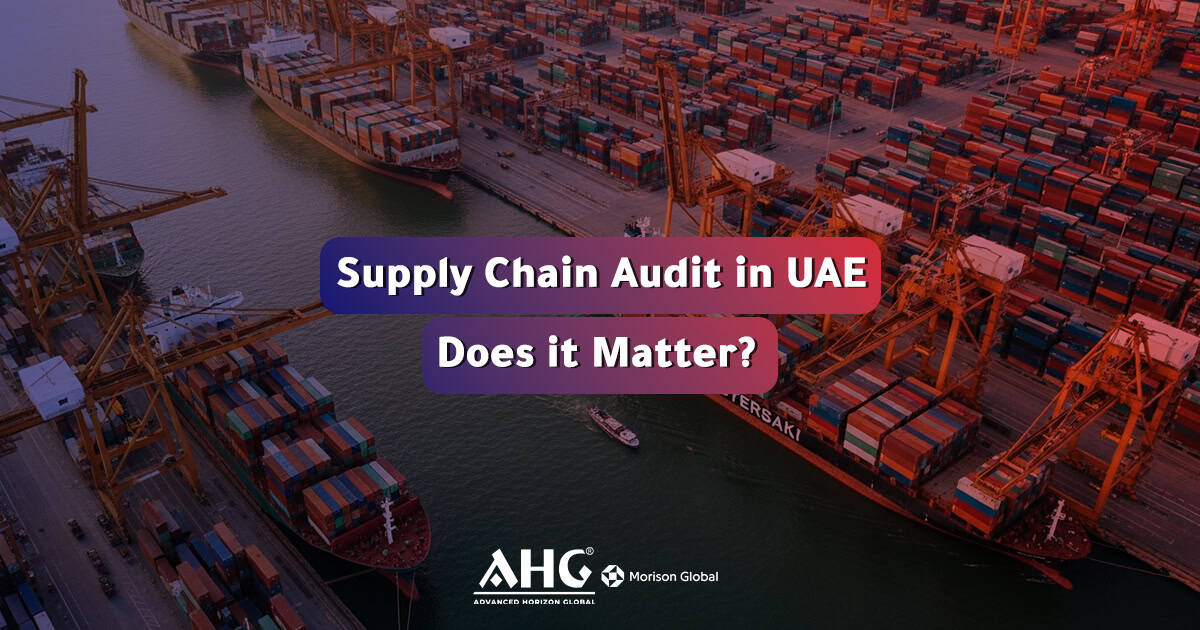
Modern supply chains operate within layered systems influenced by global sourcing, fluctuating demand, and continuous cost pressures. As organizations scale, small inefficiencies can quietly build up, leading to reduced margins and disruptions in service delivery. This is where a structured review like Supply Chain Audit Compliance becomes critical. It helps uncover gaps, improve visibility across operations, and ensure that processes are aligned, controlled, and working efficiently to support sustainable profitability.
Why Supply Chain Audits Matter in the UAE
As a global trade hub connecting Asia, Europe, and Africa through its ports, free zones, and logistics infrastructure, the UAE sits at the heart of international commerce. With supply chains extending across multiple borders, businesses are increasingly exposed to risks such as tax inaccuracies, vendor non-compliance, missing or inconsistent documentation, and heavy reliance on a single supplier. These challenges can quietly impact both financial performance and regulatory standing if not addressed early.

A structured approach like Supply Chain Audit Compliance helps organizations detect small operational gaps before they turn into costly issues. For example, inconsistent supplier documentation, such as multiple versions of the same invoice, often points to weak internal controls. Similarly, a mismatch between reported workforce numbers and actual output can signal non-compliant labor practices, which may lead to serious legal and reputational consequences. Identifying these warning signs early allows businesses to strengthen controls, improve transparency, and maintain a resilient supply chain.
Key Focus Areas to Spot Supply Chain Risks Early
- Supplier risk profile: Review the financial stability, operational strength, and governance of suppliers. If certifications do not reflect how they actually operate, it is a clear signal to dig deeper and reassess the relationship.
- Quality and traceability: Evaluate how records are maintained and how products are tracked across the supply chain. Strong traceability systems make it easier to react quickly when quality issues appear.
- Logistics and customs efficiency: Analyze shipping routes, carrier performance, and the speed of customs processes to identify delays or bottlenecks that may increase costs or disrupt production timelines.
- Data integrity and IT controls: Understand how data moves across systems within the business. Inconsistent or disconnected data can lead to inaccurate reporting and poor decision-making.
- Regulatory alignment: Ensure invoices apply the correct tax treatment, customs filings are accurate, and cross-border transactions comply with relevant laws and standards.
Applying Supply Chain Audit Compliance across these areas helps businesses gain better control, reduce risk exposure, and maintain smooth and compliant operations.
Practical Steps to Perform a Supply Chain Audit in the UAE
- Define scope and objectives: Start by identifying high-risk suppliers, key markets, and the main regulatory points that could affect operations, so the audit focuses on what matters most.
- Collect and validate data: Gather contracts, purchase orders, certifications, and test reports, then cross-check them across ERP, WMS, and procurement systems to ensure consistency and accuracy.
- Engage internal teams: Coordinate with finance, quality, logistics, and procurement teams to review existing controls and highlight areas where gaps or errors may occur.
- Assess risks: Classify risks across suppliers, processes, and data flows, with close attention to areas where small issues can quickly turn into major financial or compliance problems.
- Implement improvements: Prioritize practical actions that align with business operations and deliver the highest value in terms of efficiency, control, and risk reduction.
Following a structured approach supported by Supply Chain Audit Compliance helps ensure the audit process is thorough, actionable, and aligned with regulatory and operational requirements in the UAE.
Practical Advice for Managing Supply Chain Risks in the UAE
Operating in the UAE today requires a higher level of control and awareness, as businesses are now part of a highly competitive global market. Success is no longer driven by basic oversight, but by the ability to identify hidden risks early and maintain a strong, reliable supply chain that meets the expectations of investors and strategic partners. A structured approach such as Supply Chain Audit Compliance supports this by strengthening transparency, improving controls, and ensuring operations remain aligned with regulatory requirements.

By taking a proactive stance, businesses can avoid disruptions, maintain customer trust, and protect long-term growth. Early risk detection does not only safeguard day-to-day operations, but also reinforces credibility in the market and builds a solid foundation for sustainable expansion.
Why Choose AHG for Supply Chain Auditing
With years of hands-on experience in auditing, the team at AHG delivers practical and reliable support to help businesses manage complex supply chain challenges. By carrying out detailed and well-structured audits, the team focuses on identifying weak points and areas that may expose the business to risk.
The auditors at AHG bring strong expertise and a proactive approach, ensuring that clients receive high-quality audit services tailored to their operational needs. Through these supply chain audits, businesses gain better control over how resources are used and how daily operations are managed. This approach helps in spotting gaps early, improving efficiency, and reducing the chances of unexpected issues affecting performance or compliance.
conclusion
In conclusion, managing supply chain risks in the UAE requires more than routine oversight; it calls for a structured and proactive approach that brings clarity to operations and strengthens control across every stage. By applying practices aligned with Supply Chain Audit Compliance, businesses can identify hidden gaps, improve efficiency, and stay fully aligned with regulatory requirements. This not only protects financial performance but also builds trust with stakeholders and positions the business for steady, long-term growth in an increasingly competitive global market.
Managing finances as an influencer in the UAE can get complicated, but AHG makes it easier. With our experience in influencer accounting, we handle everything from tax compliance to financial planning, so If you need any tax services or tax consultancy, you won’t find better than AHG Legal Accounts. Each of our teams has extensive experience in this field and will provide you with the best services in a professional manner. Please feel free to contact us today, we are always waiting for your request to be fulfilled!
Click Here